Pediatric & Congenital Orthopedics
Treatment of developmental hip dysplasia, clubfoot, flat foot, rickets and limb rotation, along with gait and pelvic rotation correction.
On this page
Visit Asa Clinic
Isfahan, Mohtasham Kashani St, corner of Alley 44, 5th floor, Asa Clinic
Online booking via Boghrat
3 min read
What is paediatric orthopaedics?
Paediatric orthopaedics diagnoses and treats children's bone, joint and muscle disorders — from birth to the end of growth. The key feature of this age is growing bone, which is both vulnerable and highly able to remodel; that is why many problems, found in time, are treated without surgery. As Dr. Jalil Emad, I understand a parent's worry and stand gently beside you and your child.
Why do these problems happen? (in plain terms)
Some disorders are 'congenital' (present at birth, such as hip dysplasia or clubfoot) and some appear during 'growth'. The soft growth plates at the ends of a child's bones are sites of rapid growth and also sensitive points; so uneven load, genetics or the position in the womb can change a bone's alignment. Because the bone is still being built, it can often be gently guided back onto the right path.
Signs parents notice
- Asymmetric thigh creases or one shorter leg
- Delayed walking or persistent limping
- Toe-walking or in-/out-turning feet
- A noticeable curve of a limb or the spine
- Pain or restricted movement
Treatment options — from monitoring to surgery
My priority is always the least invasive effective route, with full respect for the growth plates.
Step 1 — Monitoring and regular review
- What it is: In mild problems, periodic review of growth and alignment without intervention.
- How it helps: Many mild cases correct themselves as the child grows; monitoring avoids unnecessary treatment.
- Who it suits: Mild disorders or cases expected to self-correct.
- What to expect: Regular visits and reassurance; treatment started at exactly the right time.
Step 2 — Staged casting, splints and braces
- What it is: Gradually guiding the bone or joint with successive casts or a brace (such as the standard methods for clubfoot or hip dysplasia).
- How it helps: Corrects alignment without surgery, using the power of growth.
- Who it suits: Many congenital disorders when found early.
- What to expect: Requires patience and regular follow-up; results are often very good.
Step 3 — Physiotherapy and exercise
- What it is: Targeted exercises for strength, flexibility and correcting movement patterns.
- How it helps: Improves function and complements casting/bracing or the post-surgery stage.
- Who it suits: Musculoskeletal disorders and rehabilitation.
- What to expect: Gradual improvement with the family's support.
Step 4 — Corrective surgery
- What it is: When needed, surgical correction with careful planning and full respect for the growth plates.
- How it helps: When other methods are not enough, it corrects alignment and function.
- Who it suits: Severe disorders or those that have not responded to non-surgical care.
- What to expect: Surgery timing is set according to the child's age and growth.
Summary
In children, time is gold: most disorders correct well with timely diagnosis and simple, non-surgical methods, and surgery is only for cases that need it.
The services I offer
From screening and early diagnosis, to casting and bracing, physiotherapy and, when needed, specialist corrective surgery — I am with you and your child. Book a consultation for an assessment and peace of mind.
Patients' frequently asked questions
Are bow legs or knock knees in a child a cause for concern?
Bow legs up to about age 2 and mild knock knees up to about age 7 are usually part of normal growth. If it affects one side only, persists beyond these ages, or comes with limping or pain, an examination is needed.
How is developmental hip dysplasia diagnosed?
By examining the newborn and, in the first months, with a hip ultrasound. Early diagnosis keeps treatment simple (usually a brace); late diagnosis makes it complex.
Do bow legs and flat feet need orthopedic shoes?
Flexible flat feet are normal in children and usually need no treatment. Orthopedic shoes are recommended only in specific cases and on a doctor's prescription.
How do fractures in children differ from those in adults?
A child's bone heals faster and corrects part of any angulation by itself, but injury to the growth plate needs careful follow-up. Most childhood fractures are treated without surgery.
This content is for information only and is not a substitute for an in-person visit and specialist consultation.
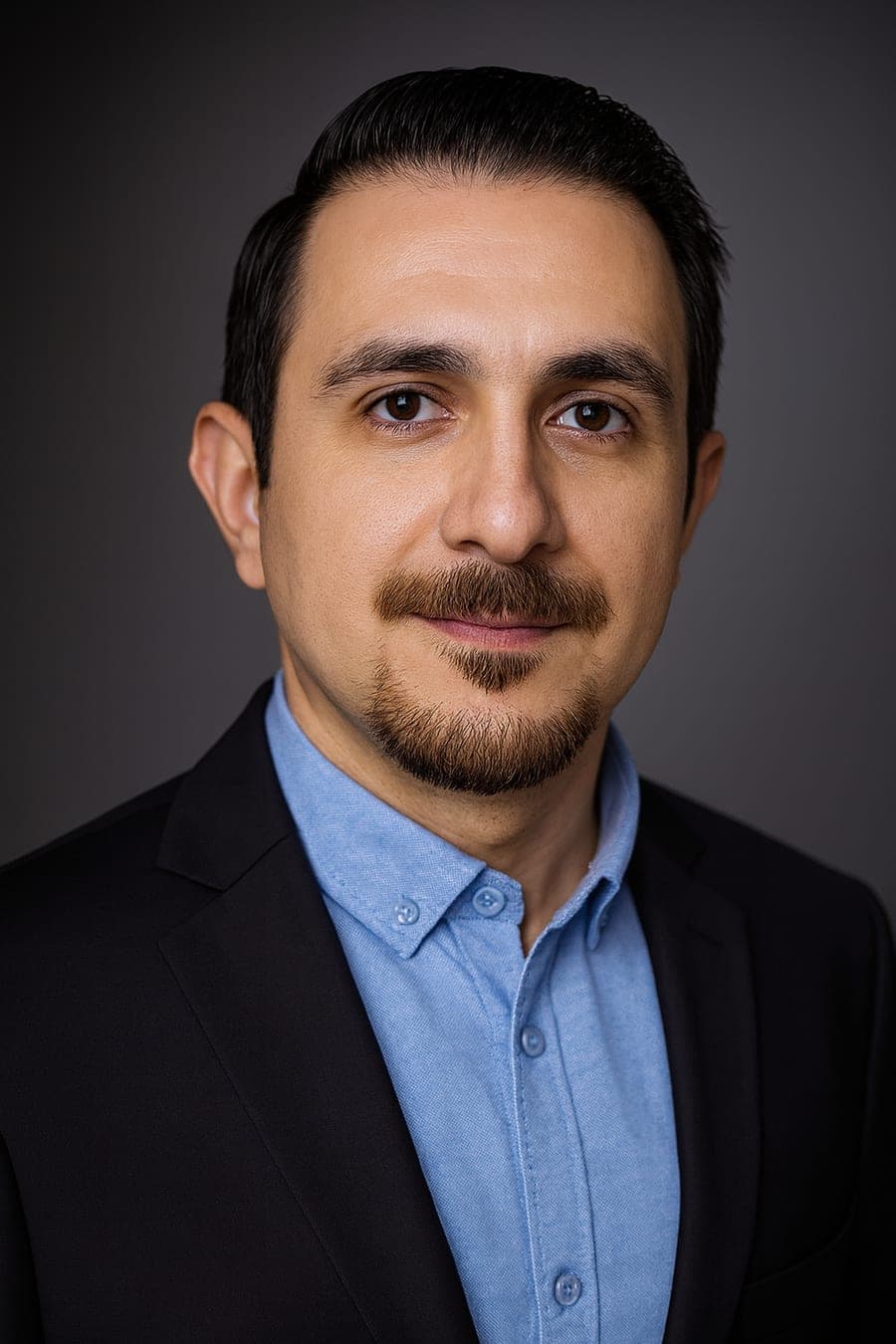
Dr. Jalil Emad
Orthopedic specialist and surgeon, board-certified in bone and joint surgery; years of experience in knee and hip replacement, sports injuries and arthroscopy in Isfahan.
Book a consultation for this treatment
Contact Asa Clinic for a thorough assessment and a treatment plan tailored to your condition.