
Deformity Correction & Ilizarov
Correction of bow legs and knock knees (genu varum/valgum), limb lengthening, and treatment of malunion and nonunion with the Ilizarov technique. Hallux valgus and rigidus care.
On this page
Visit Asa Clinic
Isfahan, Mohtasham Kashani St, corner of Alley 44, 5th floor, Asa Clinic
Online booking via Boghrat
3 min read

What are limb deformity and length discrepancy?
Sometimes a bone stays bent, grows shorter than the other side, or fails to heal correctly after a fracture. These affect walking, balance and the limb's appearance. The good news is that they can be corrected — from simple measures to the Ilizarov method, in which the body grows new bone of its own. As Dr. Jalil Emad, I am with you throughout that path.
Why does it happen? (in plain terms)
The cause may be 'congenital', or it may follow a mal-united fracture, an infection, or a growth-plate disturbance. When a bone heals in the wrong alignment or the two legs grow unevenly, load falls unevenly on the joints and over time can cause pain and arthritis; that is why correcting alignment matters.
Symptoms and signs
- A noticeable bend in a bone or limb
- Limping or a sense of unequal leg length
- Fatigue or pain on long walks
- An old fracture that has not healed or healed crookedly
Treatment options — from simple to full correction
The choice depends on the severity and cause of the deformity; we always start with the least invasive suitable option.
Step 1 — Monitoring and aids
- What it is: For a very small length difference, a shoe lift and periodic review.
- How it helps: Improves walking balance and evens out load, with no invasive intervention.
- Who it suits: Mild length difference or very minor deformity.
- What to expect: A simple, comfortable option for mild cases.
Step 2 — Physiotherapy and bracing
- What it is: Strengthening exercises and, in children, a brace to guide growth.
- How it helps: Improves function and, during growth, can aid correction.
- Who it suits: Mild to moderate deformity, especially in children.
- What to expect: Gradual improvement with regular follow-up.
Step 3 — Corrective surgery with internal fixation
- What it is: Correcting the bone's alignment (osteotomy) and fixing it with a plate and screws.
- How it helps: Corrects moderate deformity in a single stage.
- Who it suits: Moderate deformity with good bone quality.
- What to expect: Requires a healing and rehabilitation period.
Step 4 — The Ilizarov method (external fixator)
- What it is: Applying an external ring frame that gradually straightens or lengthens the bone at the standard rate of about one millimetre per day ('distraction osteogenesis').
- How it helps: For complex cases — limb lengthening, non-union, bone defect — it is a powerful solution with a high success rate.
- Who it suits: Significant length difference, severe deformity, or a non-healed fracture.
- What to expect: A treatment of several months requiring patience, daily pin-site care and close support from me; you can bear weight on the limb during treatment.
Summary
Deformity and limb-length discrepancy can be corrected — from a simple shoe lift to the Ilizarov method. The right choice is set by the cause, severity and your age.
The services I offer
From precise assessment of alignment and limb length, to correction with internal fixation and the specialist Ilizarov method for complex cases — this whole path can be taken under my care. Book a consultation to review your options.
Guides related to this service
Read the related guides to learn more about treatment and care.
Post-operative care and rehabilitation
Patients' frequently asked questions
What is the Ilizarov method?
An external frame that, through gradual adjustment, moves or lengthens the bone where needed while the body forms new bone itself. It is used to correct deformities, limb shortening and some non-unions.
How many months does the frame stay on?
Usually several months, depending on the amount of correction or lengthening. Each centimetre of lengthening needs about a month for the new bone to form and harden.
Can I walk while the frame is on?
Yes — in most cases weight-bearing walking is encouraged because it helps bone formation. Daily care of the pin sites is an important part of this period.
Who is surgical limb lengthening suitable for?
For people with true limb shortening or a leg-length difference, and in selected cases after careful counselling about treatment duration, cost and possible complications. This decision is never made without a full examination and work-up.
This content is for information only and is not a substitute for an in-person visit and specialist consultation.
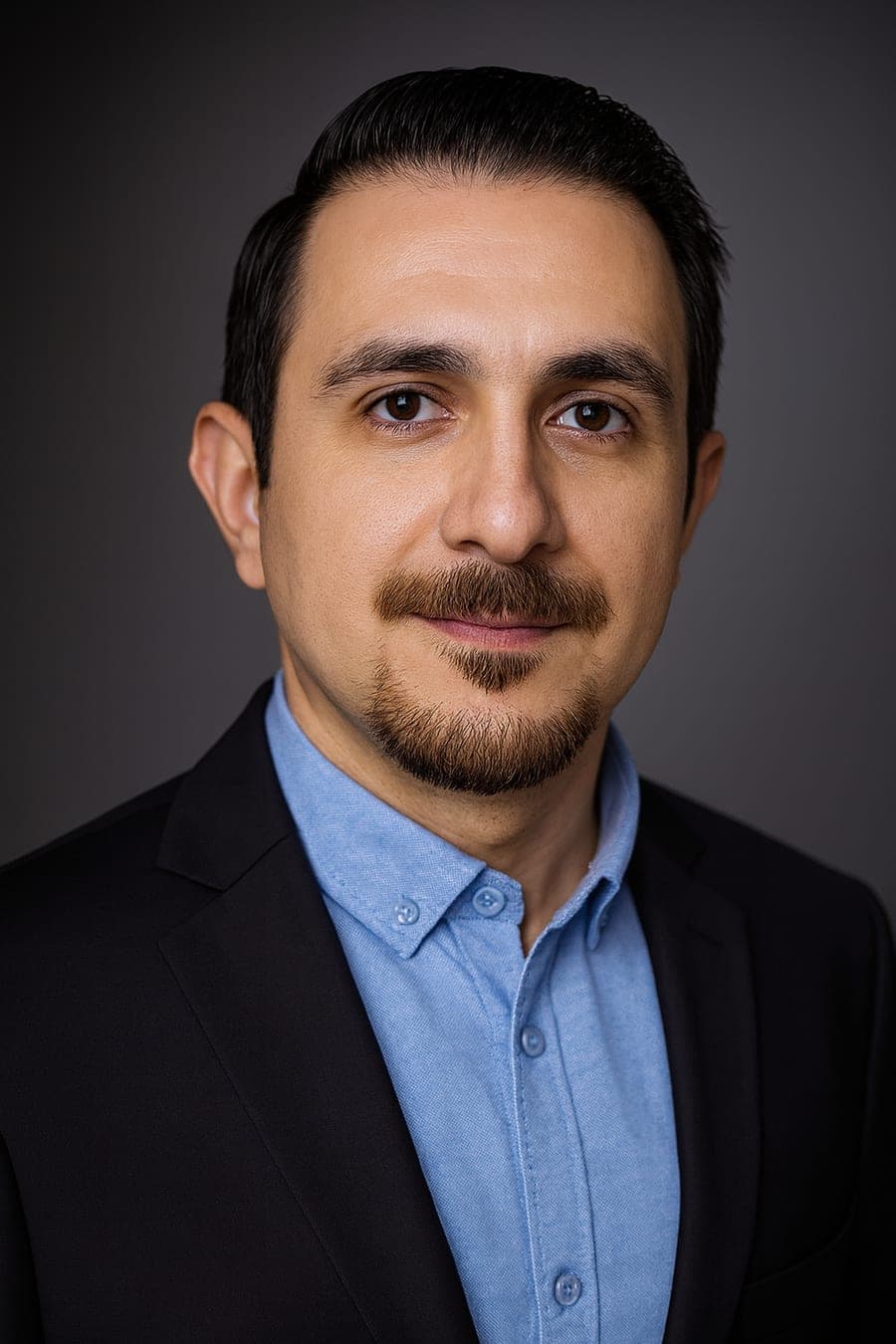
Dr. Jalil Emad
Orthopedic specialist and surgeon, board-certified in bone and joint surgery; years of experience in knee and hip replacement, sports injuries and arthroscopy in Isfahan.

Book a consultation for this treatment
Contact Asa Clinic for a thorough assessment and a treatment plan tailored to your condition.