
Non-Surgical Spine Care
Non-surgical treatment of lumbar and cervical spine disorders: disc problems, scoliosis, spinal canal stenosis and spondylolisthesis.
On this page
Visit Asa Clinic
Isfahan, Mohtasham Kashani St, corner of Alley 44, 5th floor, Asa Clinic
Online booking via Boghrat
3 min read

What are back and neck pain?
The back and neck are a column of vertebrae with soft discs acting as shock absorbers between them and muscles holding them together. When this system is overloaded, injured or worn, pain results. The reassuring news is that more than 9 in 10 cases of back pain improve without surgery. My goal, as Dr. Jalil Emad, is to return you to a pain-free life by the least invasive route.
Why does it happen? (in plain terms)
Think of a disc as a jelly-like cushion between the vertebrae. Poor posture, lifting incorrectly, prolonged sitting and age-related wear can cause a muscle strain, a bulging disc, or narrowing of the nerve's pathway. When a disc or a spur presses on a nerve, pain shoots down the leg or arm (as in sciatica).
Symptoms and the course you may experience
- Local back or neck pain that worsens with certain movements
- Pain radiating to the buttock, leg, or arm and hand
- Numbness, tingling or weakness in the limb
- Stiffness and restricted movement
- It usually improves within a few weeks; but red-flag symptoms (final section) need urgent care
Treatment options — step by step
My focus is on non-surgical methods; spine surgery is needed only in select, rare cases.
Step 1 — Activity, posture and physiotherapy
- What it is: A gradual return to activity (not prolonged rest), correcting sitting and lifting, and core-strengthening exercises.
- How it helps: Takes load off the spine and makes it more stable; the most effective long-term treatment.
- Who it suits: Most patients with mechanical back and neck pain.
- What to expect: Gradual improvement over a few weeks and a lower chance of recurrence.
Step 2 — Oral medication
- What it is: Pain relievers, anti-inflammatories and, if needed, muscle relaxants for a short course.
- How it helps: Controls pain and spasm so you can keep up with activity and physiotherapy.
- Who it suits: Moderate pain that disrupts daily life.
- What to expect: Relief during a short course, under a doctor's supervision.
Step 3 — Guided injections
- What it is: An anti-inflammatory injection near the nerve or joint (such as an epidural or facet-joint injection) under image guidance.
- How it helps: Reduces inflammation around a compressed nerve and calms radiating pain.
- Who it suits: Radiating pain (sciatica) that has not responded enough to medication and physiotherapy.
- What to expect: Relief for a few weeks to months; often provides the window needed to heal.
Step 4 — Surgery (only in select cases)
- What it is: For severe, persistent pressure on a nerve or the spinal cord, or red-flag symptoms, referral for decompression surgery.
- How it helps: When structural pressure on a nerve cannot be relieved otherwise, it prevents permanent damage.
- Who it suits: A minority of patients with progressive neurological signs or red flags.
- What to expect: The decision is made after careful clinical assessment and imaging.
Summary
The vast majority of back and neck pain improves with the right activity, physiotherapy and, if needed, injections — without surgery. The key is starting early and choosing the treatment that fits you.
Red flags — when to seek care urgently
Severe persistent pain, progressive weakness or numbness in a limb, and especially any loss of bladder or bowel control, require urgent assessment.
The services I offer
From precise diagnosis of the source of pain, to a physiotherapy and medication plan, guided injections and, if needed, specialist referral for surgery — I am with you to take the least invasive effective path. Book a consultation for an assessment.
Guides related to this service
Read the related guides to learn more about treatment and care.
Lifestyle and home-exercise guide
Patients' frequently asked questions
When does back pain need urgent attention?
When it comes with loss of bladder or bowel control, numbness around the seat area, progressive leg weakness, fever, or a history of cancer. Most back pain without these signs improves within a few weeks with conservative treatment.
Does a herniated disc always end in surgery?
No — most disc herniations improve within a few months with medication, physiotherapy and activity modification. Surgery is for progressive nerve weakness, or pain that a full course of non-surgical treatment cannot control.
Is complete rest or activity better for back pain?
Prolonged rest slows recovery. Light activity and daily walking, together with strengthening exercises, are recommended for most patients.
What is the role of spinal injections?
Targeted injections can reduce inflammation of the nerve root and create a window for physiotherapy. They are not a definitive cure but one part of a complete programme.
This content is for information only and is not a substitute for an in-person visit and specialist consultation.
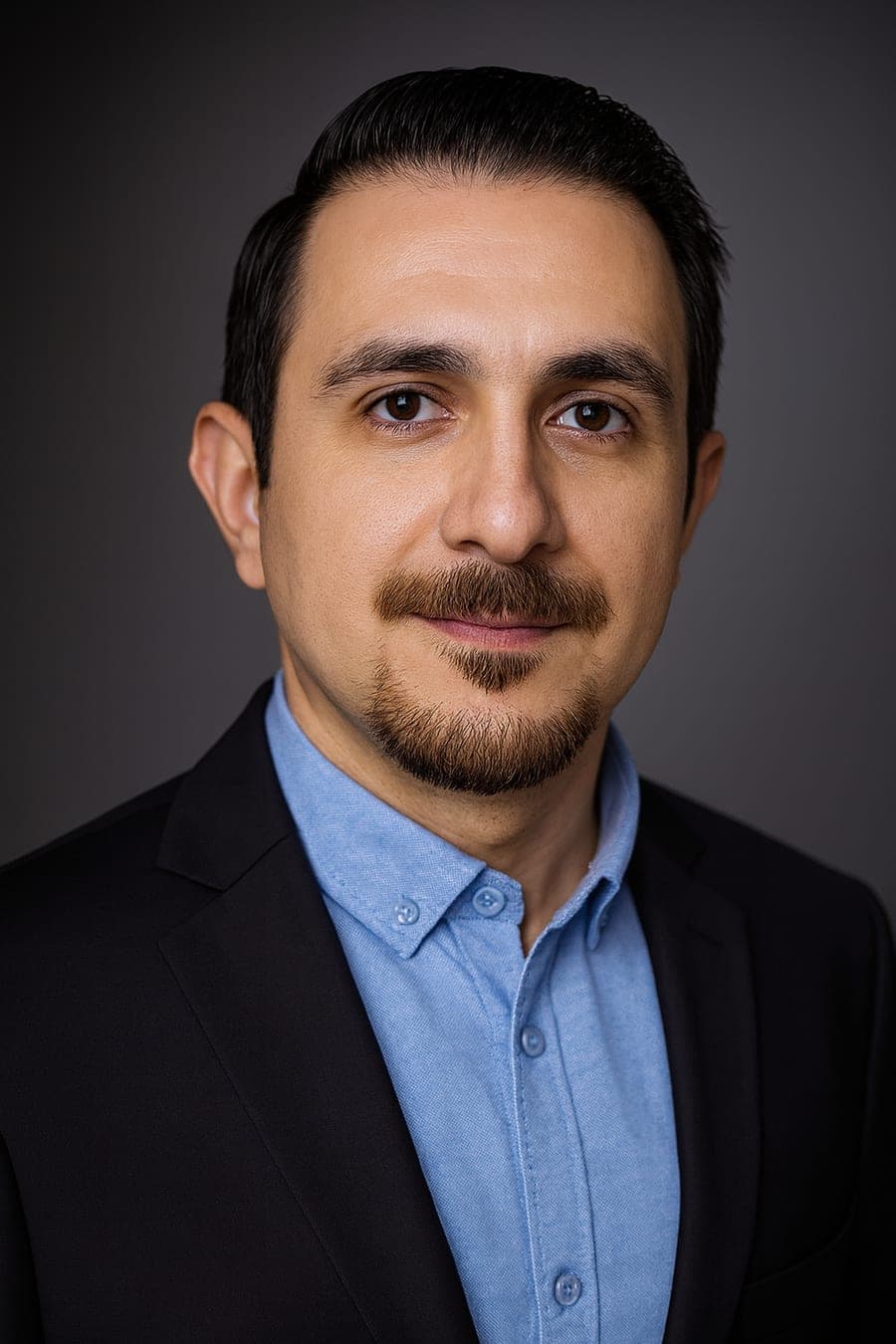
Dr. Jalil Emad
Orthopedic specialist and surgeon, board-certified in bone and joint surgery; years of experience in knee and hip replacement, sports injuries and arthroscopy in Isfahan.

Book a consultation for this treatment
Contact Asa Clinic for a thorough assessment and a treatment plan tailored to your condition.