Shoulder & Elbow Surgery
Open and arthroscopic shoulder surgery: rotator cuff and labrum repair, treatment of recurrent shoulder dislocation, and elbow arthroscopy.
On this page
Visit Asa Clinic
Isfahan, Mohtasham Kashani St, corner of Alley 44, 5th floor, Asa Clinic
Online booking via Boghrat
7 min read
What are shoulder injuries?
The shoulder is the body's most mobile joint, which makes it prone to injury: rotator cuff tendon tears, recurrent dislocation and instability, or tendon impingement. These can make the simplest tasks, like lifting the arm, hard.
Why does it happen? (in plain terms)
The rotator cuff tendons hold the head of the arm in the joint socket; with wear, repeated overhead use, or an injury, these tendons can tear. In instability, repeated dislocations loosen the tissues that stabilise the shoulder.
Symptoms and signs
- Shoulder pain, especially at night and when lying on it
- Weakness or inability to lift the arm
- A sense of the shoulder slipping or dislocating
- Progressive limitation of overhead movement
Treatment options — step by step
Many shoulder problems improve with non-surgical care; surgery is for cases that need it.
Step 1 — Physiotherapy and activity modification
- What it is: Targeted strengthening and range exercises and avoiding aggravating movements.
- How it helps: Strengthens the muscles around the shoulder and reduces pain.
- Who it suits: Mild injuries, impingement and frozen shoulder.
- What to expect: Gradual improvement over weeks to months.
Step 2 — Oral medication
- What it is: Pain relievers and anti-inflammatories.
- How it helps: Controls pain and inflammation so physiotherapy is more effective.
- Who it suits: Bothersome moderate pain.
- What to expect: Relief while taking it, under a doctor's supervision.
Step 3 — Injection
- What it is: An anti-inflammatory injection into the subacromial space in selected cases.
- How it helps: Reduces the pain and inflammation of impingement.
- Who it suits: When symptoms have not responded enough to physiotherapy and medication.
- What to expect: Relief for a few weeks to months.
Step 4 — Arthroscopic surgery
- What it is: Repairing the torn tendon or stabilising the unstable shoulder with a camera — described in detail further down this page.
- How it helps: Repairs the injury and restores pain-free movement.
- Who it suits: Significant tears or instability not responding to non-surgical care.
- What to expect: Gradual recovery of strength and range with rehabilitation.
The surgery, step by step with Dr. Jalil Emad
- Assessment and planning: I define the site and size of the tear or instability based on examination and precise imaging.
- Arthroscopic entry: through a few small incisions the camera and fine instruments enter the joint and the inside of the shoulder is seen in full clarity.
- Precise repair: I attach the torn tendon to the bone with special anchors, or repair the labrum and capsule to stabilise the shoulder — with minimal harm to surrounding tissue.
- Stability check and closure: I test range of motion and the strength of the repair so rehabilitation starts on a solid foundation.
Your rehabilitation and recovery roadmap
Phase 1: First two weeks (protect and relative rest)
Care and key precautions
Use the sling as instructed and avoid active lifting of the arm and any weight-bearing so the repair sets firmly. Icing and sleeping semi-reclined help with pain. Moving the elbow, wrist and fingers of the same arm is allowed and helpful.
Exercises for this phase
Pendulum
- Goal: Gentle, passive joint movement to prevent stiffness.
- Step-by-step technique: Lean forward a little and let the operated arm hang loose; using your body's motion, swing the arm like a pendulum in small circles; the shoulder muscle must not work actively.
- Reps & timing: 1–2 minutes, 3 times a day.
- Safety note: Do not lift the arm with the shoulder muscle; the movement comes only from the trunk.
Ball squeeze and elbow/wrist motion
- Goal: Maintain circulation and hand strength and prevent elbow stiffness.
- Step-by-step technique: Squeeze a soft ball in your hand; then gently bend and straighten the elbow and move the wrist in all directions.
- Reps & timing: 10 of each, several sessions a day.
- Safety note: Keep the upper arm close to the body during this and do not rotate the shoulder.
Phase 2: Weeks three and four (passive/assisted range of motion)
Care and key precautions
Sling use is reduced as instructed. This week's movements must be 'assisted' — done with the help of the good hand or a stick, not with the operated shoulder's own muscle. Light tasks below shoulder level are allowed.
Exercises for this phase
Assisted forward elevation with a stick
- Goal: Increase forward range of motion without activating the repaired tendon.
- Step-by-step technique: Lie on your back and hold a stick with both hands; using the good arm's power, slowly raise the operated arm upward (overhead), hold a few seconds and lower.
- Reps & timing: 10 times, 2–3 sessions.
- Safety note: Stay within the pain-free range; the operated shoulder must not work by itself.
Scapular setting
- Goal: Activate the shoulder-blade stabiliser muscles.
- Step-by-step technique: Sit or stand; gently draw the shoulder blades down and back (as if tucking them into a back pocket); hold 5 seconds.
- Reps & timing: 10 times, 3 sessions a day.
- Safety note: Do not shrug the shoulders; the movement should be smooth and pain-free.
Phase 3: Second month (active movement and light strengthening)
Care and key precautions
With my approval you now begin active movement of the arm and increase light daily use. Still avoid lifting heavy objects and sudden overhead movements.
Exercises for this phase
Wall walk (finger ladder)
- Goal: Regain active forward and side range of motion.
- Step-by-step technique: Stand facing a wall; place the fingers of the operated arm on the wall and 'walk' them slowly upward as far as is comfortable, then back down.
- Reps & timing: 10 times, 2 sessions a day.
- Safety note: Avoid shrugging the shoulder or arching the back to compensate.
Assisted external rotation
- Goal: Regain outward rotation of the shoulder.
- Step-by-step technique: Keep the elbow at your side bent to 90 degrees; with the help of a stick or the good hand, gently rotate the forearm outward, hold a few seconds.
- Reps & timing: 10 times, 2 sessions.
- Safety note: Keep the elbow tucked to the body; stay within the pain-free range.
Phase 4: Third month (strengthening and neuromuscular control)
Care and key precautions
This phase focuses on regaining shoulder strength and control. We begin strengthening gradually with a light resistance band and increase the load over time.
Exercises for this phase
External rotation with a band (Theraband)
- Goal: Strengthen the rotator cuff, especially the external rotators.
- Step-by-step technique: Anchor the band to a fixed point; keep the elbow at your side bent 90 degrees and rotate the forearm outward against the band's resistance, return slowly.
- Reps & timing: 10–15 times, 2 sessions.
- Safety note: Start with a light band; the elbow must not leave your side.
Band row
- Goal: Strengthen the back and shoulder-blade stabilisers.
- Step-by-step technique: Anchor the band in front and pull with both hands; draw the elbows back and squeeze the shoulder blades, then release in control.
- Reps & timing: 10–15 times, 2 sessions.
- Safety note: Do not shrug; lead the movement from the shoulder blades.
Return to competitive sport (from month four onward)
A return to overhead, throwing or contact sports must be gradual and cautious, and usually takes about 4–6 months (sometimes more) after a rotator cuff repair. Rushing overhead loading can jeopardise the repair; I will set your exact return timing based on your surgery and the shoulder's true strength.
The services I offer
From precise diagnosis and non-surgical treatment (physiotherapy, medication and injection), to arthroscopic surgery and staged rehabilitation — I am with you to restore your shoulder's range of motion and strength. Book a consultation for an assessment.
Guides related to this service
Read the related guides to learn more about treatment and care.
Pre-operative guide
Post-operative care and rehabilitation
Patients' frequently asked questions
What are the symptoms of a rotator cuff tear, and when should it be operated on?
Night pain, weakness when lifting the arm and pain during overhead tasks are the most common symptoms. Complete tears in active people, and tears that do not improve with physiotherapy, are candidates for arthroscopic repair.
How many weeks of sling are needed after rotator cuff repair?
Usually about 4 to 6 weeks in a sling, with passive movements under a physiotherapist's guidance. The exact duration depends on the size of the tear and the quality of the tendon, and is written on the discharge sheet.
What can be done about recurrent shoulder dislocation?
Depending on the amount of bone loss, either an arthroscopic labral repair (Bankart) or a bone transfer (Latarjet) is performed. The choice is based on the CT scan and the number of dislocations.
Is shoulder surgery done under general anaesthesia?
Usually a combination of general anaesthesia and a nerve block in the neck, which also controls pain for several hours after surgery. The anaesthetist agrees the right approach with you before the operation.
This content is for information only and is not a substitute for an in-person visit and specialist consultation.
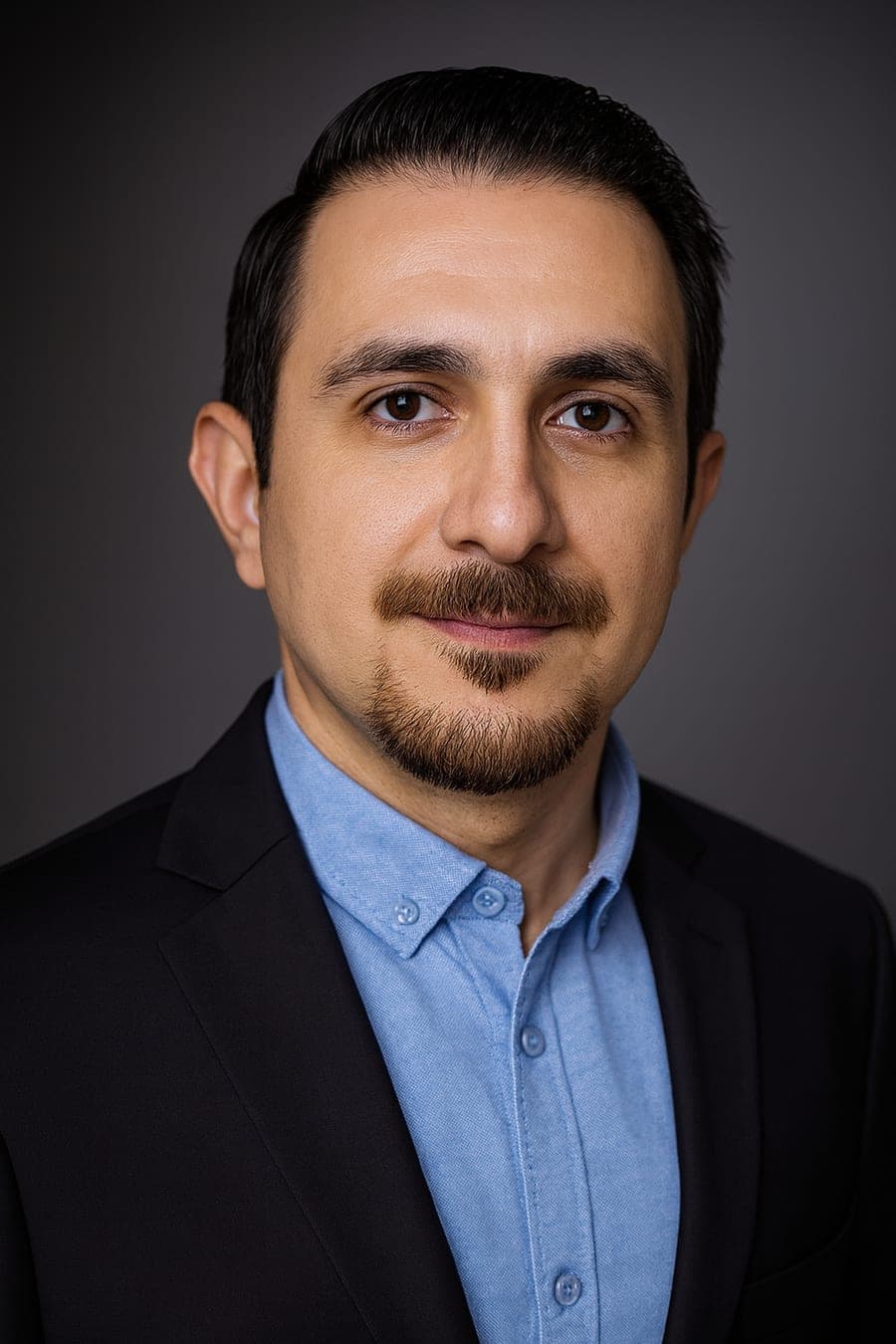
Dr. Jalil Emad
Orthopedic specialist and surgeon, board-certified in bone and joint surgery; years of experience in knee and hip replacement, sports injuries and arthroscopy in Isfahan.
Book a consultation for this treatment
Contact Asa Clinic for a thorough assessment and a treatment plan tailored to your condition.